Photography at Navagio — Getting the Shot That Everyone Else Doesn’t
Navagio is one of the most photographed beaches in Europe. It’s also one of the most consistently mediocre-photographed beaches in Europe — because nearly everyone goes at the wrong time, from the wrong angle, in the wrong light. The actual extraordinary photograph is available to anyone willing to plan marginally better than the average visitor.
This guide is about getting that photograph.
What You’re Actually Photographing
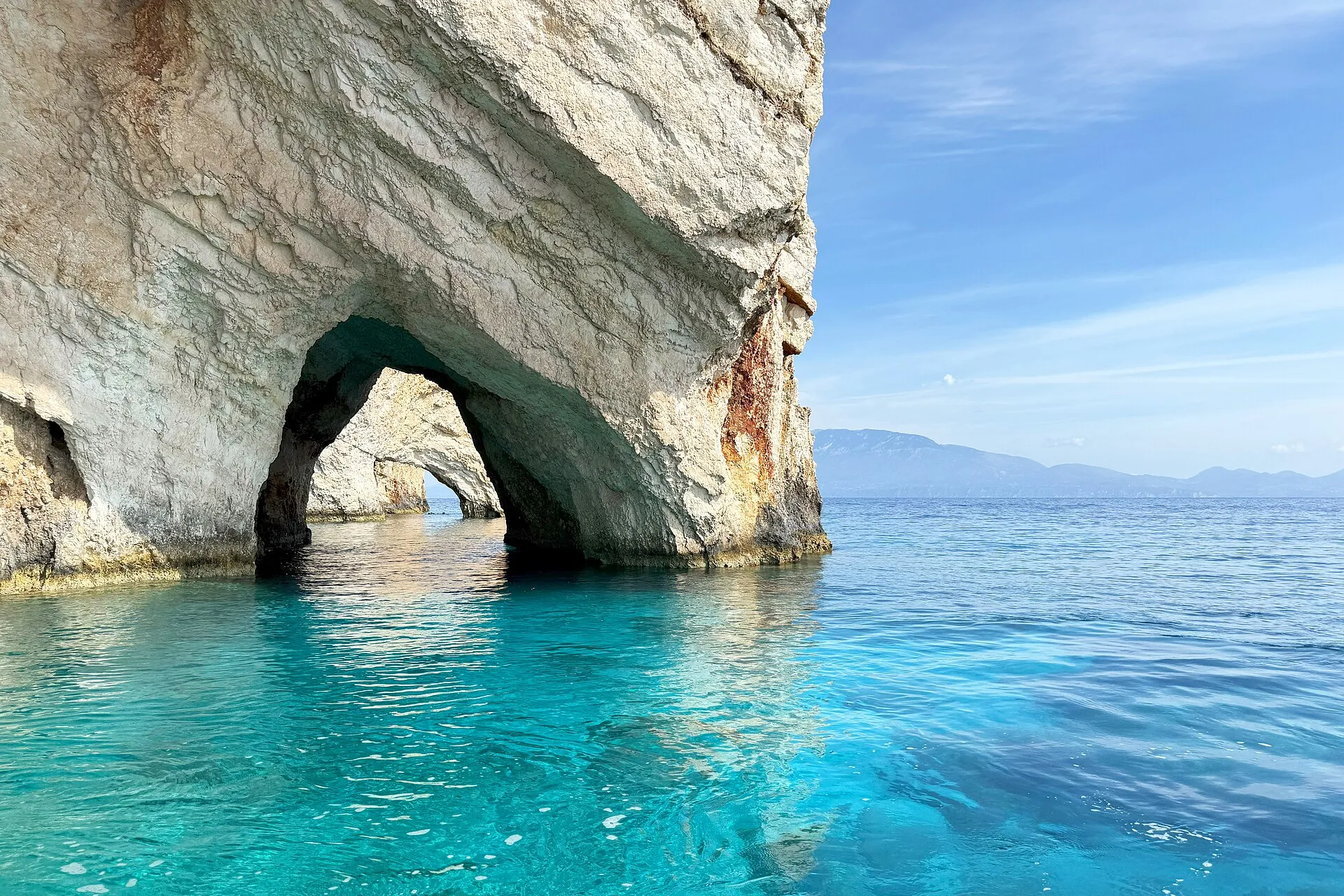
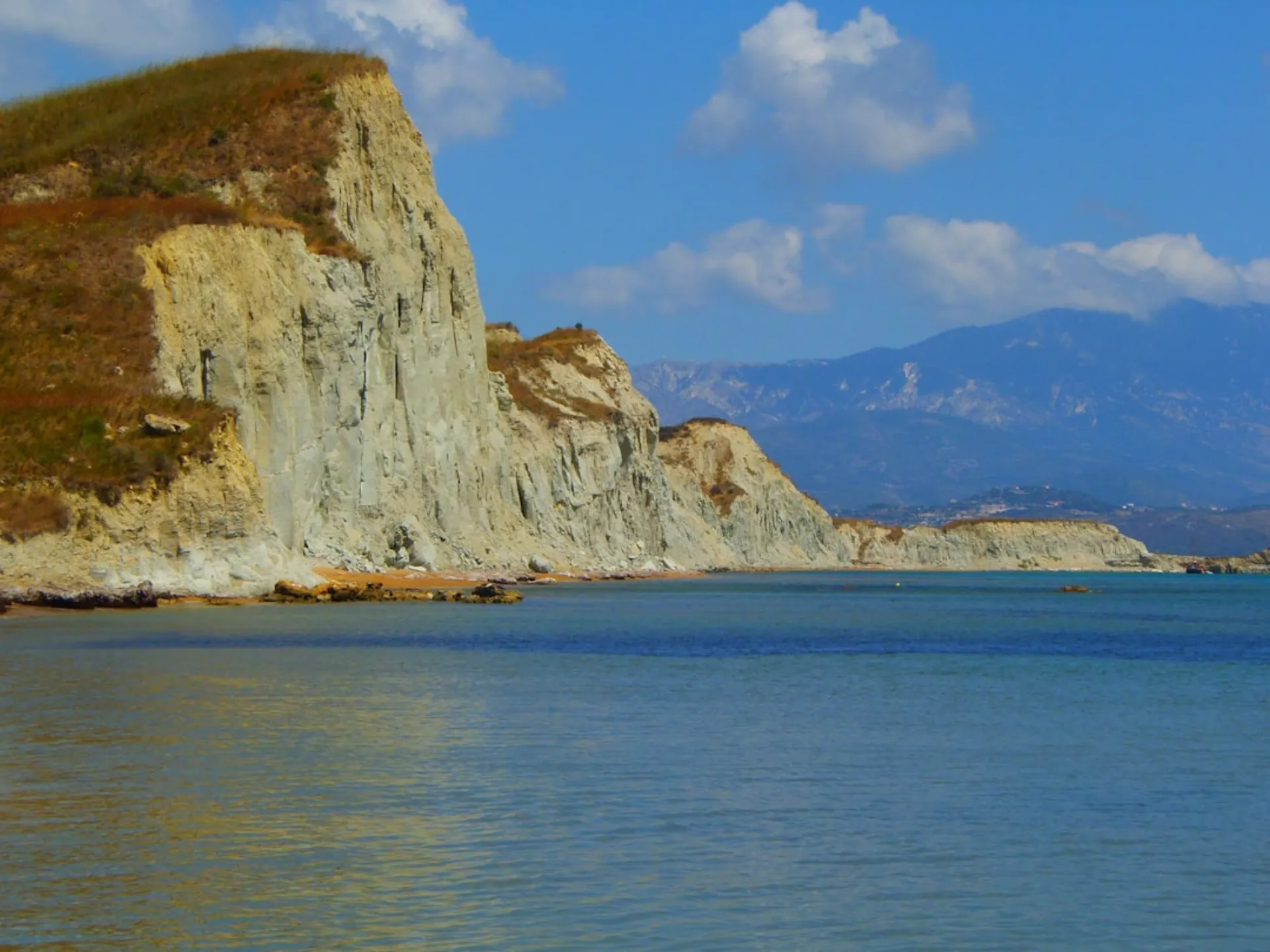
Navagio (Shipwreck Beach) is a 250-metre cove entirely enclosed by white limestone cliffs reaching 200 metres high. The floor of the cove is luminous blue-white sand and the famously turquoise water of the Ionian. At the far end of the cove sits the rusting wreck of the MV Panagiotis, a smuggler’s vessel that ran aground in a storm in 1980 and has sat there ever since, slowly oxidising into photographic gold.
The cove is accessible by boat from Porto Vromi (15 minutes) or Agios Nikolaos (45 minutes). The viewpoint above is accessible by road from Anafonitria village, followed by a short walk to the cliff edge.
The Lighting Problem
The cove faces roughly northwest. This means:
Summer (June–August): The sun enters the cove at an angle that illuminates the wreck and the sand most completely between approximately 10:00 and 13:00. Before 09:00, the cove is in cliff shadow on the wreck side. After 14:00, the afternoon haze softens the colours.
Spring/Autumn (April–May, September–October): The sun’s lower path means optimal cove light runs from approximately 11:00 to 14:00. These months also tend to have cleaner air and sharper colours — many professional photographers prefer October for Navagio.
Winter (November–March): Full illumination is brief — roughly 12:00–14:30 on clear days. But winter light is lower-angled, warmer in tone, and the absence of tourist boats means a clean cove. Stunning photographs possible for anyone who makes the trip.
The Viewpoint — And the Hidden Angle
The official viewpoint is a fenced platform at the cliff edge above Navagio, reachable by a signposted 10-minute walk from the car park near Anafonitria. Every photograph on every travel website is taken from here. It’s a legitimately extraordinary view and the photographs are good.
For a different photograph, walk 200 metres south along the cliff edge from the official platform. The terrain is unfenced bare rock — walk carefully, stay well back from the edge — and there’s a natural promontory that gives you a lower angle and a shifted perspective: the wreck appears smaller against the full cliff face, the proportions of the cove become clearer, and you eliminate the tourists from the official platform from your frame.
This spot is used by photographers who know the site. You may still encounter others there, but far fewer than at the fenced platform.
On the Beach Itself
Taking a boat down to Navagio Beach itself gives you an entirely different perspective: the wreck fills the frame and the cliffs rise overhead. This works well in midday light when the sun is high enough to illuminate the cove floor and doesn’t work at all in morning or evening when the high cliffs cast the beach in shade.
For a broader photography guide covering all of Zakynthos’s best spots — including Keri Lighthouse and Gerakas Beach — see our complete photography and sunset guide.
The beach is busy July–August. For photography on the beach, September is significantly better — the boats still run, the light is identical, and the beach has perhaps a quarter of the summer crowds.
Equipment Notes
The viewpoint photography is essentially landscape work: wide-angle to standard focal length, tripod optional (the rock is stable), polarising filter dramatically improves water colour saturation. On the beach: any focal length works; the wreck is large enough to fill a wide frame from close distance or to compress beautifully with a short telephoto.
Drone photography over Navagio requires permits from Greek aviation authorities. The area is also within a national park zone. Fly without permits and you risk significant fines — and more importantly, the resulting photographs are confiscable.